
Projects

BharatNet Project
- BharatNet, one of the biggest rural telecom projects in the world, implemented in a phased manner to all Gram Panchayats (approximately 2.5 lakh) in the country for providing non-discriminatory access to broadband connectivity to all the telecom service providers. Objective is to enable access providers like mobile operators, Internet Service Providers (ISPs), Cable TV operators, content providers to launch various services such as applications like e-health, e-education and e-governance in rural and remote India. The project has been approved by Union Cabinet on 25.10.2011. The project is being executed by a Special Purpose Vehicle (SPV) namely Bharat Broadband Network Limited (BBNL), which has been incorporated on 25.02.2012 under Indian Companies Act 1956. On 30.04.2016, the Telecom Commission approved to implement the project in three phases.
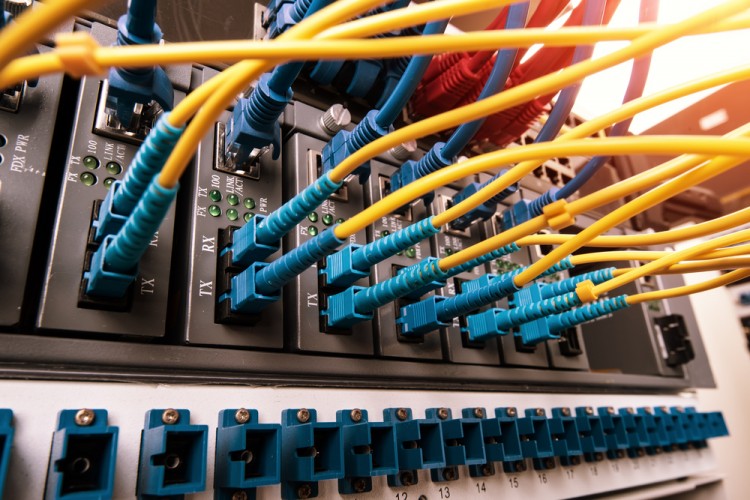
optical connectivity Work
Luctus nec ullamcorper mattis, pulvinar dapibus leo. Proin gravida nibh vel velit auctor aliquet
An “optical connectivity laying project” is an initiative to install optical fiber cables (OFCs) to establish broadband internet and communication networks, such as the Indian government’s BharatNet project for rural connectivity or private company projects for their own networks. These projects involve planning, trenching or ducting, and installing fiber optic cables to transmit data at high speeds. Key aspects include utilizing existing infrastructure where possible, collaborating with different entities, and adhering to regulations for right-of-way access.
-
Broadband Connectivity:
To provide high-speed internet to homes and businesses, as seen in the BharatNet program connecting Gram Panchayats.
-
Network Expansion:
To extend existing fiber optic networks for telecom services, private networks, or gas pipelines that incorporate fiber for monitoring.
-
Data Transmission:To create the infrastructure for fast and reliable data transfer, vital for telecommunications, internet services, and various industries.

Satellite Communication
Satellite communication uses artificial satellites in Earth’s orbit to relay radio and microwave signals, allowing information to be sent between ground stations and covering vast geographical areas. The process involves ground stations transmitting an “uplink” signal to a satellite, which amplifies and retransmits it as a “downlink” signal to other ground stations within the satellite’s coverage area. This technology is essential for various applications, including internet access, broadcasting, mobile communication, and remote data transmission.
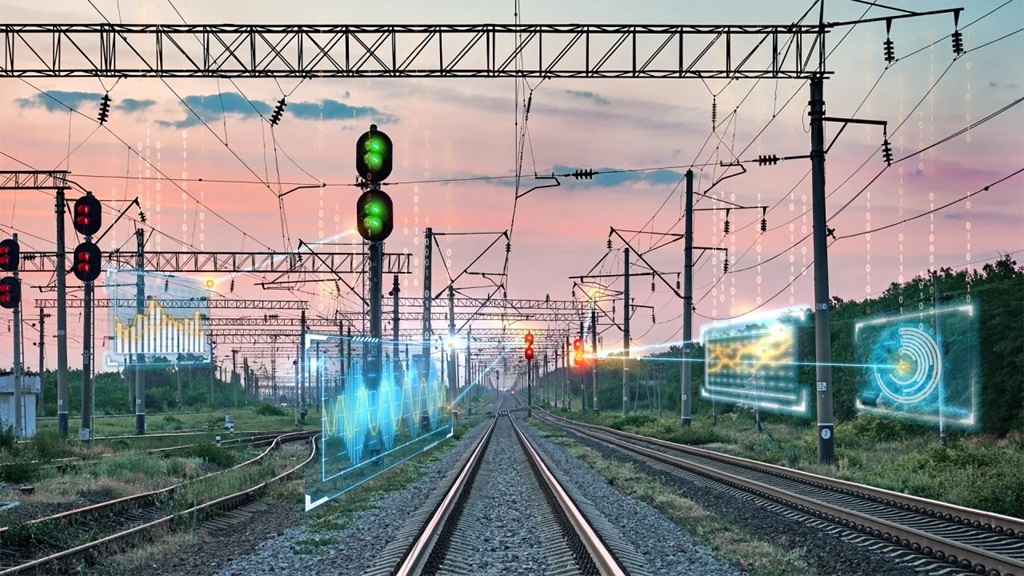
Railway & Metro signaling system
Railway and metro signaling systems are networks of electronic and visual indicators, such as signals and track circuits, that control train movement to ensure safety and efficiency by maintaining safe distances between trains. While traditional systems use trackside equipment, modern systems like Communication Based Train Control (CBTC) use wireless communication for real-time data exchange, allowing for faster, closer train spacing and optimization of operations in both metro and mainline railway environments.
- Signals: Visual indicators that show drivers when to stop, proceed with caution, or go.
- Points (Switches): Devices that direct trains to different tracks.
- Track Circuits: Sections of track that detect the presence or absence of a train.
- Axle Counters: Another method of train detection, which counts axles to determine if a section of track is occupied.
- Computers: Control the sequence of operations and make decisions about train speed based on real-time data.